Source Bicycle Water Bottle Holder for Road, MTB, and City Bikes
Explore 30 verified listings for the bicycle water bottle holder, comparing options in plastic, aluminum, and alloy materials. Buyers can evaluate specifications like size, weight, and MOQ to find suitable suppliers for road, mountain, and city bike applications.
Key considerations
Products List
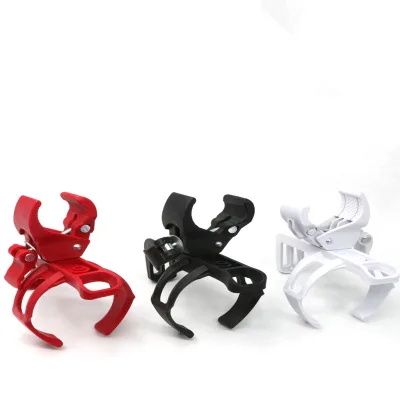
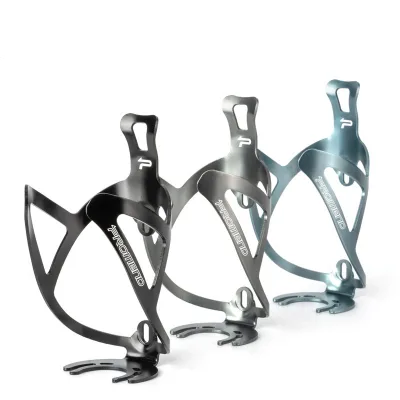
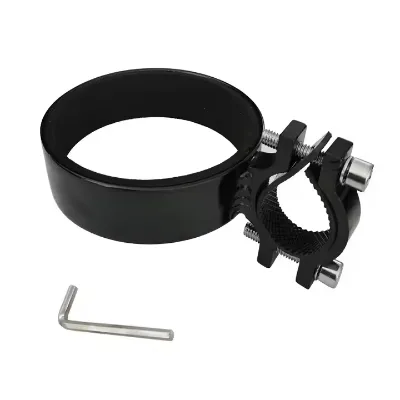
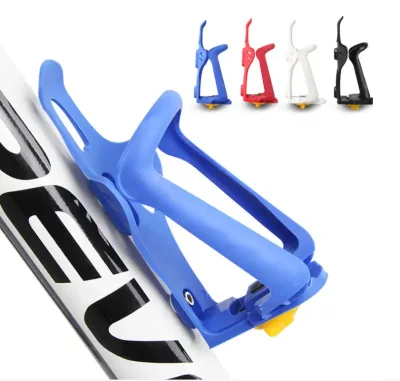


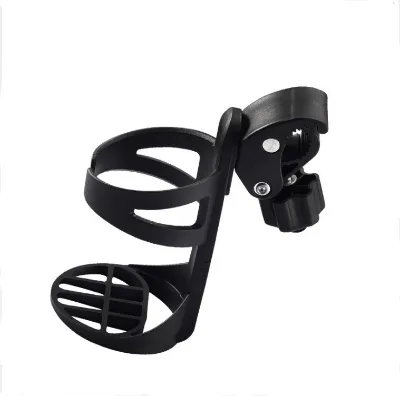
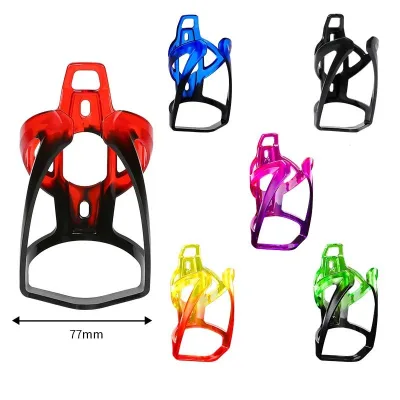
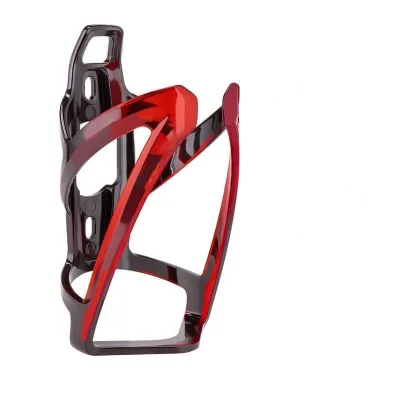
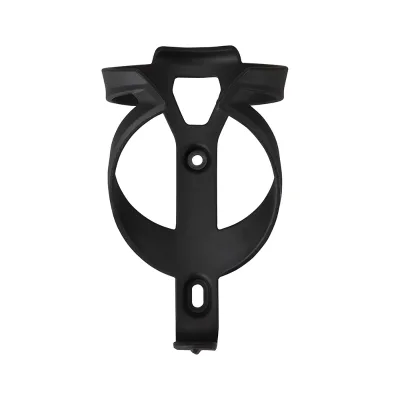
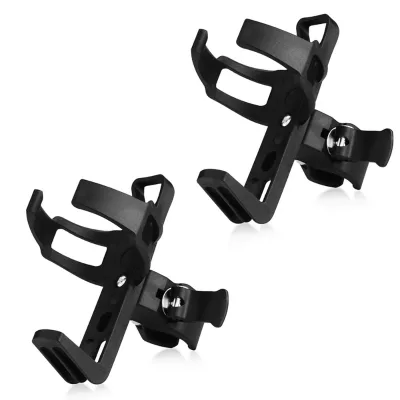
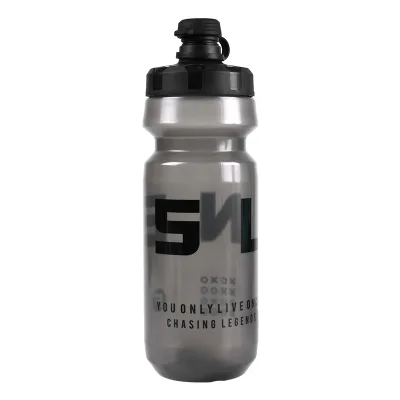
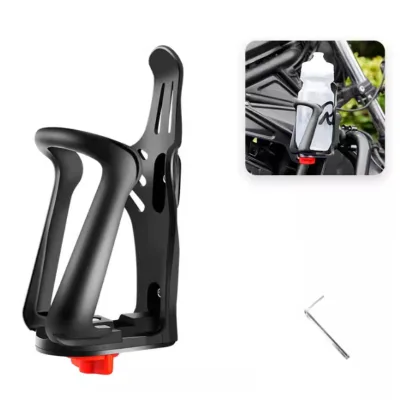
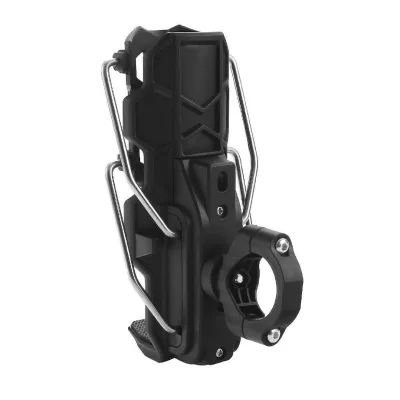


Comprehensive Sourcing Guide
Strategic Sourcing Guide for Bicycle Water Bottle Holders
Understanding Product Variants and Technical Specifications
The market for bicycle water bottle holders, often referred to as bottle cages, presents a diverse array of technical configurations that directly impact performance, durability, and compatibility. When sourcing these accessories, buyers must first distinguish between the primary material classes observed in current listings: plastic, aluminum, and aluminum alloy. The choice of material is not merely aesthetic but dictates the structural integrity and weight profile of the final product.
Plastic variants, frequently described as being made from high-strength engineering resin, offer a cost-effective solution with a weight range typically observed between 48g and 60g. These units are often designed for general utility and are noted for features such as eco-friendly manufacturing processes. In contrast, aluminum and aluminum alloy constructions provide a balance of strength and lightweight performance, with specific models weighing around 58g to 80g. The material selection must align with the intended usage environment; for instance, heavy-duty mountain biking (MTB) applications may benefit from the rigidity of alloy, while casual city cycling might find the flexibility of engineering resin sufficient.
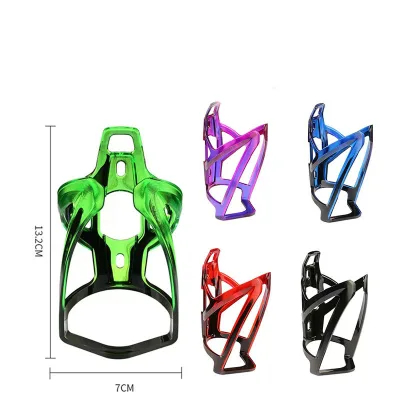
Dimensional specifications are equally critical for ensuring a secure fit for standard water bottles. Sourcing data indicates a wide variance in package and product dimensions. Some units are compact, with single package sizes recorded at 15x10x7 cm or 12.5x8.8x5.7 cm, while others are listed with larger external dimensions such as 59x42x46 cm, which may represent bulk packaging or specific large-capacity designs. The functional size of the cage itself, such as 15cm by 8.6cm or 7.3x8.5x16.5 cm, must be verified against the bottle diameter to prevent slippage. Buyers should verify that the internal geometry accommodates standard bottle sizes, often cited in the range of 550ml to 699ml, to ensure universal applicability across the cycling community.
Compliance, Certification, and Material Verification
In the realm of B2B procurement for bicycle accessories, verifying material composition and compliance with safety standards is paramount, even for seemingly simple items like bottle holders. While specific certification marks were not explicitly detailed in the provided product data, buyers must demand evidence of material safety and structural reliability. The presence of terms like "high-strength engineering resin" or "aluminum alloy" in product descriptions requires validation through material safety data sheets (MSDS) or mill test certificates from the supplier.
Buyers should investigate whether the manufacturing process adheres to recognized environmental and safety standards. For plastic-based cages, verification that the resin is free from harmful phthalates or heavy metals is essential, particularly if the product is marketed as "Eco-Friendly." For metal components, checking for corrosion resistance treatments or anodization processes ensures longevity, especially for products intended for outdoor use in varying weather conditions. The origin of the materials is another compliance factor; sourcing from regions with established manufacturing hubs like Guangdong or Hebei in China offers access to established supply chains, but buyers must ensure that the specific factory adheres to international labor and environmental regulations.
Furthermore, the claim of "Universal" suitability for 99% of bicycles implies a standardization of mounting holes. Buyers must verify that the mounting interface aligns with the ISO standards for bicycle frame bottle mounts. Without this verification, a product labeled as universal may fail to fit specific frame geometries, leading to high return rates and customer dissatisfaction. The absence of specific brand names on some listings (e.g., "no brend" or "other") does not negate the need for compliance; in fact, private label buyers must be more diligent in establishing quality benchmarks with the manufacturer to ensure the unbranded product meets their specific requirements.
Cost Drivers and Pricing Dynamics
The pricing structure for bicycle water bottle holders is influenced by a complex interplay of material costs, manufacturing complexity, and order volume. Observed market data reveals a significant price spread, ranging from as low as $0.13 to $8.27 per unit. This wide variance is not arbitrary but is driven by distinct cost factors that procurement teams must analyze to avoid budget overruns or quality compromises.
The primary cost driver is the raw material. Aluminum and aluminum alloy cages generally command a higher price point than those made from plastic or engineering resin due to the cost of the metal and the energy-intensive extrusion or stamping processes required. Additionally, the weight of the product, ranging from 48g to 80g, correlates with material usage; heavier units typically incur higher material costs. However, a heavier unit is not always superior; the engineering efficiency of the design plays a crucial role. A lightweight, high-strength resin cage may be priced competitively against a heavier aluminum unit if the manufacturing process is optimized.
Order volume is the second critical factor affecting unit cost. The Minimum Order Quantity (MOQ) varies significantly across suppliers, with observed ranges spanning from 2 pieces to 600 pieces. Suppliers offering an MOQ of 2 pieces often cater to small businesses or sample procurement, resulting in a higher per-unit price due to the lack of economies of scale. Conversely, suppliers requiring an MOQ of 100 pieces or more can offer lower unit prices, as seen in the lower end of the price spectrum. Buyers must calculate the total landed cost, including shipping and duties, rather than focusing solely on the unit price. A low unit price with a high MOQ may tie up excessive capital in inventory, whereas a higher unit price with a low MOQ might be more suitable for testing new market segments.
Typical Applications and Usage Scenarios
Bicycle water bottle holders are designed to serve a broad spectrum of cycling disciplines, each imposing different demands on the product's durability and retention capabilities. The product data indicates a clear segmentation based on application, ranging from general utility to specialized performance riding.
For mountain biking (MTB) and off-road applications, the holder must withstand significant vibration, impact, and exposure to mud and debris. Products marketed specifically for MTB often feature reinforced structures and high-friction surfaces to prevent the bottle from dislodging during rough terrain navigation. The "Easy Installation" feature is particularly relevant here, as riders may need to mount or adjust cages quickly in the field.
In contrast, road bikes and city bikes prioritize aerodynamics and weight reduction. Aluminum alloy cages are frequently preferred in these segments due to their low weight and sleek profile. The application data lists compatibility with electric bikes, city bikes, and BMX, suggesting a need for versatile designs that can accommodate different frame geometries and riding styles. The "Universal" claim implies that these holders are engineered to fit the standard bottle mount positions found on most frames in these categories.
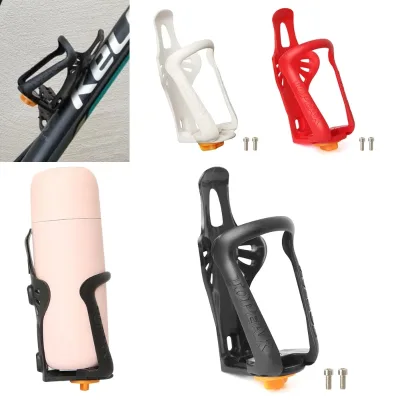
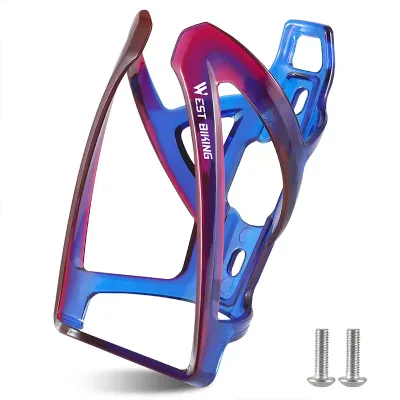
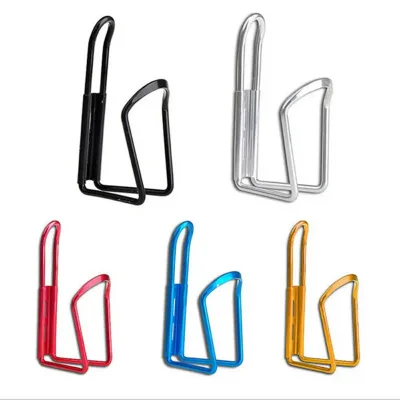
Outdoor cycling accessories also include considerations for bottle capacity. Holders designed for larger bottles (550-699ml) must have a robust retention mechanism to handle the increased weight and center of gravity. For casual riders or commuters, the focus may be on ease of use and color variety, with options available in black, silver, blue, yellow, and red to match personal style or team branding. Understanding the specific end-user scenario is essential for selecting the right product, as a holder optimized for road racing may lack the durability required for aggressive trail riding.
Supplier Evaluation and Geographic Considerations
When evaluating potential suppliers for bicycle water bottle holders, geographic origin and production capacity are key indicators of reliability and consistency. The supplied data highlights manufacturing hubs in Guangdong and Hebei, China, which are well-established centers for bicycle component production. Guangdong is known for its advanced manufacturing infrastructure and export capabilities, while Hebei has a strong presence in metalworking and plastic molding.
Buyers should assess the supplier's ability to handle the specific MOQ requirements. Some suppliers operate with a low barrier to entry, accepting orders as small as 2 pieces, which is ideal for sampling or small-batch testing. Others require a commitment of 100 pieces or more, indicating a focus on bulk manufacturing. The lead time, though not explicitly quantified in the data, is a critical factor for supply chain planning. Buyers must inquire about production schedules to ensure timely delivery, especially for seasonal demand peaks.
Brand reputation and transparency are also vital. Listings with specific brand names like "HZ" or "HAOZUN" suggest a level of corporate identity and accountability, whereas "no brend" or "other" listings may indicate contract manufacturing for private labelers. In the latter case, the buyer assumes more responsibility for quality control. Buyers should request references or case studies from the supplier to verify their track record in delivering consistent quality. Additionally, the ability to customize product attributes, such as color and branding, is a valuable service for buyers looking to differentiate their offerings in the market.
Quality Control and Long-Term Procurement Strategy
Implementing a robust quality control (QC) protocol is essential for maintaining product integrity and customer satisfaction. Given the variance in materials and specifications, buyers should establish clear acceptance criteria before production begins. Key QC checkpoints include verifying the material composition, checking dimensional tolerances against the specified sizes (e.g., 15x10x7 cm), and testing the retention strength of the cage.
For plastic components, a tensile strength test can ensure the material does not crack under stress. For metal cages, a corrosion resistance test is necessary to verify the longevity of the finish. The weight of the product should also be verified against the stated specifications (48g to 80g) to ensure consistency across batches. Buyers should consider conducting third-party inspections at critical stages of production, such as during raw material intake, mid-production, and pre-shipment.
Long-term procurement success depends on building a sustainable relationship with suppliers who can scale with demand. Buyers should look for suppliers who demonstrate flexibility in handling order volume fluctuations and who are willing to collaborate on product improvements. Establishing a clear communication channel for feedback and issue resolution is crucial. Additionally, buyers should monitor market trends for new materials or design innovations that could offer competitive advantages. By maintaining a proactive approach to quality and supplier management, buyers can ensure a steady supply of high-quality bicycle water bottle holders that meet the evolving needs of the cycling market.
Comparative Analysis of Product Attributes
To facilitate decision-making, the following table summarizes the key attributes observed across the product listings, highlighting the variations in material, weight, and specifications that buyers should consider.
| Attribute | Plastic/Resin Variant | Aluminum/Alloy Variant |
|---|---|---|
| Material | High-strength engineering resin | Aluminum / Aluminum Alloy |
| Weight Range | 48g - 60g | 58g - 80g |
| Typical Size | 12.5x8.8x5.7 cm / 15x10x7 cm | 15x8.6 cm / 7.3x8.5x16.5 cm |
| Color Options | Black, White, Red, Blue | Black, Silver, Blue, Yellow, Red |
| MOQ Range | 2pcs - 100pcs | 10pcs - 600pcs |
| Primary Use | General, City, Eco-friendly | MTB, Road, Electric Bike |
| Price Range | Lower end of spectrum | Higher end of spectrum |
This comparison underscores the importance of aligning product selection with specific application needs and budget constraints. By carefully evaluating these attributes, buyers can make informed decisions that optimize both cost and performance.
FAQs
What materials are used for bicycle water bottle holders?
These holders are made from plastic, aluminum, or aluminum alloy. Plastic variants often use high-strength engineering resin for cost efficiency, while metal options provide lightweight durability suitable for mountain biking or road cycling applications.
Which sizes fit standard water bottles?
The functional size typically accommodates bottles ranging from 550ml to 699ml. Specific product dimensions vary, with some models measuring 15cm by 8.6cm or 7.3 by 8.5 by 16.5 cm to ensure a secure fit for universal bicycle frames.
How much does a bicycle water bottle holder weigh?
Weight varies by material, ranging from 48 grams for resin models to 80 grams for aluminum alloy versions. Lighter units are preferred for road bikes, while slightly heavier options may offer enhanced rigidity for off-road mountain biking use.
Can I find holders with low minimum order quantities?
Yes, some suppliers offer minimum order quantities as low as 2 pieces for sampling. Other vendors require orders of 100 pieces or more, which often correlates with lower unit pricing and bulk manufacturing capabilities for larger inventory needs.
Where are these bicycle holders manufactured?
Manufacturing origins include Guangdong and Hebei provinces in China. These regions are established hubs for bicycle component production, offering access to established supply chains for both plastic molding and metalworking processes.
What colors are available for these holders?
Common color options include black, silver, blue, yellow, red, and white. Buyers can select from these varieties to match personal style or team branding, with some models offering universal compatibility across different bicycle types.